

Archbishop's call to affirm neurodiversity is one Catholics should heed
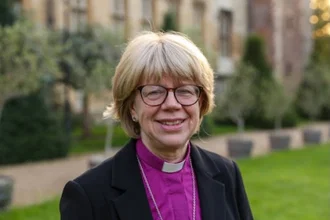
Archbishop Sarah Mullally
Deacon Mark Paine writes: The Archbishop of Canterbury's address to the General Synod on affirming neurodiversity deserves a wide hearing beyond the Church of England. While addressed to the Anglican Communion, its challenge reaches every Christian Church, including our own.
Her message was a simple but profound one. Neurodivergent people are not simply to be accommodated or included; they have gifts that the Church needs. Their experience can deepen our understanding of discipleship, community and the God who creates each person in his image.
That is a timely reminder for Catholics.
The Catholic Church has consistently taught the dignity of every human person. Pope Francis has repeatedly urged us to become a Church that listens to those whose voices have been overlooked. Yet many neurodivergent Catholics continue to describe parish life as exhausting rather than welcoming. They speak of sensory overload at Mass, misunderstandings about behaviour, inaccessible sacramental preparation, or assumptions that there is only one "right" way to participate in worship.
The Archbishop's address challenges all of us to think differently. Rather than asking how neurodivergent people can fit into our existing structures, perhaps we should ask how our parishes and dioceses can better recognise and receive the gifts that neurodivergent people already bring.
This is not about lowering standards or creating special categories. It is about recognising that the Body of Christ is enriched by the diversity of its members. St Paul's teaching that "the parts of the body that seem to be weaker are indispensable" (1 Corinthians 12:22) reminds us that the Church is healthiest when every member's gifts are recognised and valued.
There are encouraging signs. Some Catholic parishes now offer quieter Masses or provide sensory resources for children and adults who find busy liturgical environments overwhelming. Others are reviewing catechesis and sacramental preparation to make them more accessible. These are welcome developments, but they should become part of ordinary parish life rather than exceptional provision.
The wider challenge is one of culture. We need to move beyond seeing neurodivergent people as recipients of pastoral care and recognise them as contributors to the Church's mission. Their perspectives on prayer, liturgy, learning and community may differ from the majority, but difference is not deficiency.
The Catholic Church has embarked on a synodal journey in which listening has become a central theme. If that listening is to be genuine, it must include neurodivergent Catholics and their families. Their experience can help us become a more attentive, compassionate and authentic Christian community.
The Archbishop's address reminds us that affirming neurodiversity is not primarily about modern social policy. It is about the Gospel. Jesus consistently saw people whom others overlooked and recognised gifts that society failed to value. His Church should strive to do the same.
This is one area where ecumenical learning can bear real fruit. Catholics need not wait for our Anglican brothers and sisters to show the way, but neither should we hesitate to learn from an initiative that speaks so clearly to our shared Christian calling. A Church that truly welcomes neurodivergent people is not simply becoming more inclusive; it is becoming more fully the Body of Christ.
Marcus Diaconus is a husband, father and Permanent Deacon of the Archdiocese of Birmingham.
 Facebook
 Twitter
 LinkedIn
 Print
Print Email
Email










 Facebook
 Twitter
 YouTube
 LinkedIn
 Pinterest