

Bethlehem Update: From Olive Harvest to Wedding Bells
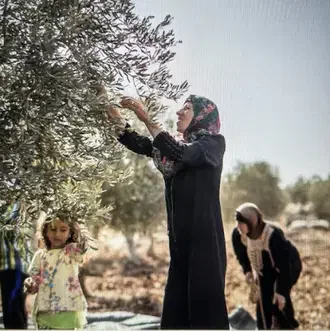
Source: Bethlehem Updates
Usama Nicola writes in Bethlehem Updates: In Palestinian culture, the olive tree is more than a source of food and income. It is a living symbol of identity, family, and connection to the land. Every autumn, as the hills turn golden and families gather to harvest olives, the countryside comes alive with stories, laughter, and shared labor. For generations, the olive season has shaped not only the agricultural calendar but also the social life of Palestinian communities.
The relationship between olive harvesting and traditional weddings reveals how deeply the land influences the rhythm of life, turning hard work into celebration and agricultural prosperity into family happiness.
The Olive Season: More Than a Harvest
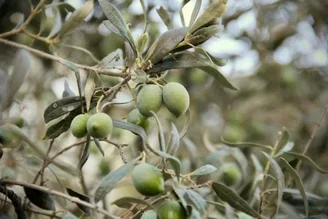
Known affectionately as Abu al-Mawasim, meaning 'the father of all seasons,"'the olive harvest holds a special place in Palestinian agricultural traditions. Usually taking place between October and November, it is one of the most important seasons for farming families. Olives provide food for the household, oil for daily use, and income from selling any surplus.
Yet the significance of the season goes far beyond economics. Olive harvesting is a collective experience that brings together grandparents, parents, children, relatives, and neighbors. Some spread large sheets beneath the trees, while others carefully pick the fruit from the branches. Conversations, traditional foods, and shared memories transform demanding work into an opportunity to strengthen family and community bonds.
One of the most meaningful aspects of this tradition is the connection between generations. An elderly farmer might teach a grandchild how to recognize ripe olives or explain the importance of caring for a tree planted decades earlier. In this way, knowledge and cultural identity are passed down naturally, through experience rather than textbooks.
To me, this tradition illustrates an important lesson: work becomes more meaningful when it is shared. The olive harvest reminds us that a community's strength lies not only in what it produces but also in the relationships it nurtures along the way.
From the Fields to the Wedding Celebration
Traditionally, the agricultural calendar also influenced the timing of Palestinian weddings. In the past, many farming families preferred to hold weddings after the main harvest seasons, particularly after the olive harvest, when income from selling the crop could help cover the costs of marriage preparations.
Traditional weddings involved considerable expenses, including food for guests, livestock for feasts, clothing, jewelry, and other arrangements. For farming families whose livelihoods depended heavily on seasonal production, waiting until the harvest was complete was a practical financial decision. It allowed families to celebrate with greater confidence that they could meet the costs without placing an excessive burden on their limited resources.
The timing also made sense socially. After months of demanding agricultural work, families could devote more time and energy to celebrations. Weddings brought together relatives and neighbors through music, dancing, traditional songs, and generous meals. Depending on local customs, celebrations could extend over several days, turning one family's happiness into a shared community event.
Today, however, these traditions have changed. Unlike in the past, when weddings were often held after the autumn harvest, summer has become the more common season for wedding celebrations in Palestine. This shift is largely due to school holidays, the visits of Palestinians living abroad, and the warm weather, which makes outdoor celebrations easier to organize and allows family and friends to gather. As a result, the close connection that once existed between the olive harvest and the wedding season is no longer as evident in everyday life.
I find this historical connection between the harvest and marriage especially fascinating because it shows how economic circumstances and agricultural cycles once shaped cultural traditions. A wedding was not simply a private occasion determined by a couple's preferences. For many farming families, it was also linked to the success of the agricultural season. The harvest helped prepare the ground, both literally and financially, for a new family to begin its life.
In this sense, the olive tree played a symbolic role in the cycle of life. Its fruit sustained established families while helping new ones build their future. Although wedding customs and their timing have evolved, the connection between the land, family life, and community celebration remains an important part of Palestinian cultural memory.
When the Harvest Becomes a Struggle
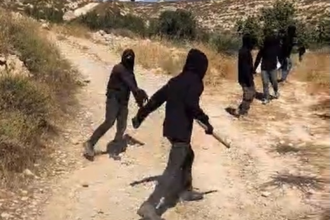
Today, however, this traditional relationship between agriculture and celebration faces serious challenges. Palestinian farmers, particularly in the occupied West Bank, face restrictions on access to their agricultural land, the clearing and destruction of olive groves, settler attacks, crop theft, and other forms of violence.
In its article 'Military Orders Restrict Access to 90,000 Dunams of West Bank Olive Groves Ahead of Harvest Season,' published on 7 October 2026, Peace Now reports that approximately 88,300 dunams of West Bank land used for olive cultivation are subject to military orders requiring Palestinians to obtain prior coordination to access their fields. This represents a substantial increase from the previous year. The organization also explains how delayed authorization and restricted access can prevent farmers from completing the harvest.
These restrictions and other forms of interference affect far more than a family's annual income. When farmers cannot reach their trees or gather their crops, they may struggle to pay for household necessities, education, and major family occasions. A season that once helped provide the means to celebrate can instead become a source of uncertainty and hardship.
Reflecting on this reality makes the cultural significance of the olive tree even more powerful. Protecting an olive grove means protecting a livelihood, a family tradition, and the possibility of continuing familiar social practices. The loss of a harvest must therefore be understood not only in terms of money and agricultural production but also in terms of the relationships, traditions, and aspirations built around it.
A Tradition That Continues to Grow
The relationship between olive harvesting and Palestinian weddings reveals a remarkable connection between nature, economic life, and cultural identity. The olive season provides more than a crop. It creates opportunities for cooperation, sustains family livelihoods, and has traditionally helped make wedding celebrations possible.
Although contemporary challenges have disrupted this relationship for many families, its cultural meaning remains significant. The olive tree continues to represent continuity, belonging, and hope across generations.
Ultimately, reflecting on these traditions reminds me that culture is not preserved only through songs, clothing, or ceremonies. It also lives in the everyday relationship between people and their land. In the past, the olive harvest often marked not only the end of an agricultural season but also the beginning of preparations for a new family. Today, when summer has largely become the preferred season for weddings, this connection belongs increasingly to the memory of an earlier way of life. Yet its meaning endures, reminding us of a time when the rhythm of the land helped shape the rhythm of family and community life. Together, the olive harvest and traditional weddings tell a story of life sustained by the land, strengthened by community, and carried forward through generations.
Through his Patreon page, Usama Nicola offers regular reflections, updates from Bethlehem, and spiritual insights, creating a worldwide community of solidarity and shared understanding. His hope is to touch hearts, gently challenge complacency, and remind people everywhere that even in places marked by sorrow, life continues to grow.
You can support Usama's writing ministry by subscribing to Bethlehem Updates as a generous supporter.
See: Bethlehem Updates: www.patreon.com/bethlehemupdates
 Facebook
 Twitter
 LinkedIn
 Print
Print Email
Email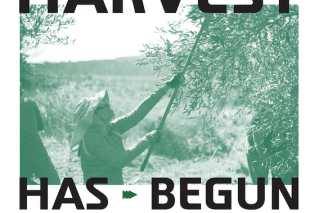









 Facebook
 Twitter
 YouTube
 LinkedIn
 Pinterest