


CSAN Statement on Terminally Ill Adults (End of Life) Vote

Following the vote against the Terminally Ill Adults (End of Life) Bill last week, Caritas Social Action Network (CSAN) reflects on its impact and ways forward.
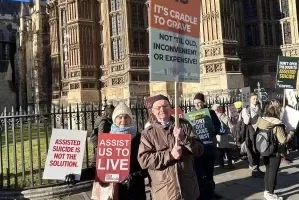
Many Catholic organisations, led by the Catholic Bishops' Conference of England and Wales, have been vocal in opposing iterations of the assisted dying bill which have come before UK Parliament in the past two years. CSAN released a statement when the Bill was first proposed in 2024, which you can read here, including our reasons for campaigning. Although we are relieved at the outcome which stops the Bill's progression, we have a responsibility to make space for compassion, understanding and nuance within this discourse to avoid the traps of polarisation.
There have been passionate arguments on either side of the assisted dying debate, including from those with lived experience of disability. The narrow defeat - with 286 votes against and 270 for - reflects the particularly tense nature of the issue. This is understandable given the powers that would have been granted under the Bill, legalising assisted dying for those expected to die within six months. Ultimately, Catholic Social Teaching reminds us that every human is made in the image and likeness of God, encouraging us to strive towards policies which honour dignity for all.
But our challenge should not end here, as Government policy continues to undermine dignity in other ways, through inhumane legislation for migrants, or inadequate support for families experiencing poverty who cannot afford the essentials.
This particular outcome should encourage our Government towards the crucial step of drastically improving palliative and social care provisions. At the beginning of his premiership, Prime Minister Andy Burnham laid out his priority for fixing "the funding of palliative care and social care", over and above the assisted dying debate. Archbishop John Sherrington echoed this in his response to the vote, arguing that care is "the most effective way to address suffering at the end of life" and should be available to all.
Now, Mr Burnham has the perfect opportunity to build upon his promise and work with his Government towards the restoration of human dignity and security from "our broken social care system". We pray that his policies will continue to prioritise justice and dignity for all.
 Facebook
 Twitter
 LinkedIn
 Print
Print Email
Email

















 Facebook
 Twitter
 YouTube
 LinkedIn
 Pinterest