


60th World Day of Peace theme: 'Artificial intelligence must be disarmed'
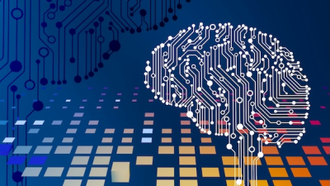
Photo by Steve A Johnson on Unsplash
Source: Vatican Media
January 1, 2027 will mark the 60th World Day of Peace. To celebrate this day, Pope Leo XIV has chosen the theme: 'Disarming Technology, Serving Peace: Politics as Preventive Responsibility'.
A press release from the Dicastery for the Service of Integral Human Development, states that Pope Leo wants to highlight the "moral responsibility of those called to act in the political sphere." The Pope is encouraging humanity to promote dignity for each and every person help foster peace, beginning with the "disarming of technology."
Referencing his encyclical Magnifica humanitas "there is no algorithm capable of making war morally acceptable" - while also warning of the risks tied to using AI to make military decisions, Pope Leo offers a heartfelt appeal to the entire international community.
He calls for "shared agreements capable of safeguarding human responsibility and humanitarian principles in contexts where human lives and peaceful coexistence among peoples are at stake."
At the presentation of his document on 25 May in the New Synod Hall - an unprecedented document in the history of the Church-the Pope had recalled that those nearly 200 pages were the fruit of reflection within the Holy See on new technologies and Artificial Intelligence, which today touches "many areas of our lives," influences decisions, and is "radically changing the way in which war is waged."
From all this emerged a conviction that Pope Leo himself described as "disturbing" and which provides the guiding thread of the encyclical: "Artificial Intelligence must be disarmed."
"I know the word is strong," he acknowledged, "but it was deliberately chosen because this moment needs words capable of attracting attention, awakening consciences, and pointing humanity towards paths to follow."
Pope Leo emphasized that, for some time, the Church has been committed to nuclear disarmament as a "service to peace and the dignity of the human family." In a similar sense, "artificial Intelligence now needs to be disarmed," because, "like nuclear energy, it must serve everyone and the common good." And "decisions about technology must never be separated from conscience and responsibility."
In Magnifica humanitas, the Pope reflects on how peace, not merely the absence of war, is justice put into action. But when technology weakens our critical sense, peace itself is put at risk. Disarming, however, is not enough. We must build.
Here the Pope recalled his experience during his years of missionary work in Peru, following the floods. There, he confided, "I learned that rebuilding does not simply mean replacing what has been destroyed. It means repairing bonds, restoring trust, and rekindling hope for the future. Moreover, no one rebuilds alone."
Only with such an integral vision can Artificial Intelligence be directed towards the common good. Only together-those who design the systems and those who bear their consequences, richer and poorer countries, institutions and individuals, centres of power and the peripheries - will we be able to build a future not for a privileged few, but for the entire human family.
LINK
ICN 25 May 2026 - Pope Leo releases 'Magnifica humanitas': AI must serve humanity not concentrate power www.indcatholicnews.com/news/55073
 Facebook
 Twitter
 LinkedIn
 Print
Print Email
Email













 Facebook
 Twitter
 YouTube
 LinkedIn
 Pinterest