


Bangladesh: Monsoon emergency exposes growing humanitarian needs across Cox's Bazar
image: CAFOD
Source: Norwegian Refugee Council, CAFOD
Deadly landslides and flooding have torn through fragile shelters in Cox's Bazar, Bangladesh, leaving refugee communities exposed as humanitarian funding struggles to keep pace with growing needs, said the Norwegian Refugee Council (NRC).
Days of relentless monsoon rainfall have triggered landslides, flash floods, and windstorms across Bangladesh, killing over 50 people and severely affecting 1.1 million others. The worst-affected areas include Rohingya refugee camps and neighbouring host communities in Cox's Bazar, where nearly one million Rohingya refugees have lived in densely populated camps for almost nine years.
According to the Rohingya Coordination Platform (RCP), 15 refugees, including children and women, have died and 22 have been injured. Around 52,800 people have been affected, and 13,055 have been displaced. More than 4,800 residences have been partially damaged and 25 destroyed, leaving thousands of families without safe shelter.
The floods and landslides have also led to widespread damage of water points, latrines, learning centres, retaining walls, roads and bridges, disrupting access to essential services and increasing protection risks for already vulnerable families.
"For thousands of Rohingya families, the monsoon is no longer a normal period of the year; it has become another life-threatening emergency," said Dipankar Datta, NRC's country director in Bangladesh. "Rohingyas who fled violence now have to live with the fear that heavy rain could wash away the little safety they have rebuilt. Every year they face the same dangers, yet they remain trapped in shelters, learning centres, and water and sanitation facilities that were never designed to withstand repeated extreme weather."
Nearly nine years after hundreds of thousands of Rohingya fled, many continue to live in densely populated camps where bamboo-and-tarpaulin shelters cling to steep hillsides. Days of intense rainfall saturate the soil, triggering landslides, flooding and widespread damage to homes and essential infrastructure.
Md. Sayeed, a Rohingya refugee living in Camp 5, said: "When the rain became heavier, we were afraid the hill would collapse onto our shelter. Many shelters were damaged by landslides and heavy rainfall, including ours."
Although rainfall is expected to ease across parts of Bangladesh, the Bangladesh Meteorological Department continues to forecast heavy rainfall, particularly in Cox's Bazar, while saturated hillsides remain highly vulnerable to further landslides.
The emergency comes as the 2026 Joint Response Plan (JRP) faces a funding gap of more than US$45 million for immediate emergency priority activities, including critical shortages in shelter, WASH, protection, education, health and food assistance. These gaps are limiting humanitarian partners' ability to strengthen preparedness, repair damaged infrastructure and provide timely support to families affected by repeated disasters.
"This emergency shows how climate-related disasters are deepening one of the world's longest-running displacement crises. At a time of severe funding shortfalls, humanitarian organisations have fewer resources to strengthen resilience, protect vulnerable families, and help communities recover. Investing in safer and resilient infrastructures and anticipatory actions today will save lives tomorrow," said Datta.
"No family should have to fear losing everything every time it rains. Whether they are Rohingya refugees or members of the surrounding host communities, people affected by this emergency deserve timely assistance, safer living conditions, and sustained international support to recover and build resilience."
Humanitarian organisations are scaling up their life-saving emergency response, but without significantly increased funding, critical life-saving support will fall short of the rapidly escalating needs..
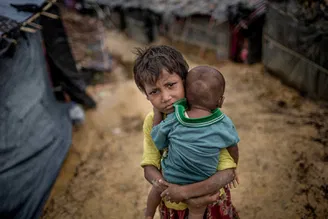
Working with Caritas Bangladesh, supported by dedicated teams of local aid workers and volunteers, CAFOD is one of the agencies that has been working in Cox's Bazar since 2017, when 700,000 Rohingya refugees fled from Myanmar. The Bangladesh government generously opened their borders to allow the refugees to settle in Bangladesh, providing immediate shelter and protection. Most of these refugees - mainly women and children - needed emergency aid just to survive day to day before the monsoon hit. Their need is even more desperate now.
To support CAFOD's Rohingya Crisis appeal see: https://cafod.org.uk/give/donate-to-emergencies/rohingya-crisis-appeal?form=refugeeandconflictfund
 Facebook
 Twitter
 LinkedIn
 Print
Print Email
Email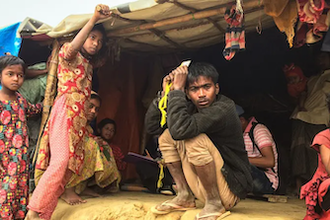














 Facebook
 Twitter
 YouTube
 LinkedIn
 Pinterest