

Grappling with the legacy of colonialism
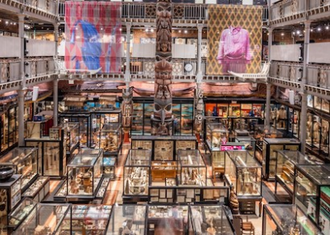
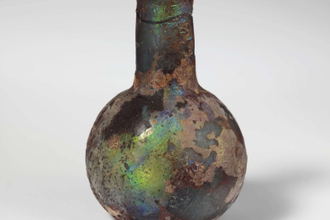
Image: Pitt Rivers Museum
Source: Quakers in Britain
Quakers are drawing church attention to work by an Oxford museum and a Naga research team to return human remains to the mountainous border area between Myanmar and India.
The on-going decolonisation work at the Pitt Rivers Museum will see the return of more than 200 items of Naga ancestral remains, including human skulls and bones.
Many churches are examining their own colonial legacies, and the Quakers agreed at their annual meeting this year to consider how to make meaningful reparation for Quaker involvement in the slave trade and colonisation.
Friendship between Quakers and the people of the Naga Hills date from Horace Alexander's visits of the 1950s and Marjorie Sykes' peace missions in the 1960s.
Two Naga anthropologists, Dr. Arkotong Longkumer of the University of Edinburgh and Dr. Dolly Kikon of the University of Melbourne, have worked with Naga civil society, elders, researchers, church leaders and the Pitts River Museum in an exploratory dialogue.
Longkumer and Kikon published an article about this process last month, and hope to build solidarity and understanding through sharing it.
Other churches are actively exploring anti-racism and decolonisation and the Racial Justice Advocacy Forum of Churches Together in Britain and Ireland have been running a series of webinars exploring reparations.
LINKS
Read the article by Drs Longkumer and Kikon: The Unfinished Business of Colonialism: Naga Ancestral Remains and the healing of the Land
Read Quaker blog on decolonisation here: The legacy of colonialism: dialogue and the return of ancestral remains | Quakers in Britain
 Facebook
 Twitter
 LinkedIn
 Print
Print Email
Email











 Facebook
 Twitter
 YouTube
 LinkedIn
 Pinterest