


St Mary's University hosts National Emergency Briefing
Anita Tozzi, Justice & Peace Coordinator for the Diocese of Westminster writes: St Mary's University Twickenham recently hosted an online screening of the National Emergency Briefing which you can see here: www.nebriefing.org/
This impactful 50-minute film outlines the urgency of the climate crisis and how it affects us all in the UK.
Chris Packham speaks about how climate and nature are interlinked and how "the climate and nature crisis impacts our security, food and entire way of life."
Scientists are becoming more alarmed as living systems are breaking down. We are seeing the impacts of climate change every day.
Most of us want urgent action. The weather extremes we are currently experiencing are the least extreme we will experience in our lifetime.
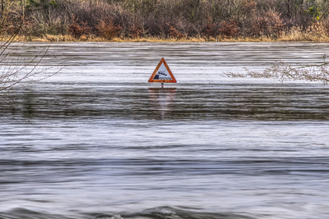
By 2050, one quarter of all properties in the UK will be affected by flooding. The UK is still building infrastructure that isn't resilient to cope with the future.
Professor Kevin Anderson states that "the concentrations of CO2 are rising at unprecedented levels, currently 424 ppm. If we continue to burn fossil fuels, we will see a rise of 4 degrees Celsius by the end of the century which would result in systemic collapse. "
Tim Lenton, Professor of Climate Change at Exeter University explains that "tipping points could cause collapse of the AMOC (Atlantic Meridional Ocean Current) which regulates weather patterns in the UK. However, positive tipping points - adopting clean energy could accelerate us to a clean and positive future.
Harvests have become unreliable - we have experienced three of the worst harvests this decade. One third of the price of food inflation is driven by climate change. We need rapid transformation of our food system - more plant-based diets, reducing food waste, improving production and climate resilience. 85% of agricultural land is currently used to grow food for animal feedstocks.
Professor Hugh Montgomery describes how climate change impacts health. More active transport and plant-based diets would reduce obesity and would prevent other diseases eg those of the respiratory system, cardiac health and strokes.
Richard Burgess describes how climate shocks also affect instability. There is growing conflict over access, resources and shipping routes. The fabric of society is at risk. We need to reduce our dependence on oil and gas.
The UK currently is in the bottom 10% for biodiversity as living systems are breaking down due to chemical pollution, soil erosion and pollution of waterways with sewage. We need to consider nature as critical infrastructure and redirect finance into protecting nature. Health depends on living systems and biodiversity underpins our very existence.
However there is still hope. Angela Francis, Economist explains how investing in Net Zero would cost £4 billion per year but would save £12 trillion in terms of environmental damage. Food prices are linked to fossil fuels through fertiliser costs. The transitions is 73% cheaper than we thought it would be.
Tessa Khan describes the energy transition as an opportunity to change to a system based on renewables where sunshine and wind are limitless. The UK has one fifth of the world's wind capacity. Solar panels and battery storage are dropping in price and we have the opportunity to upgrade grids and install heat pumps.
Finally we need a transition on all fronts - food, transport, energy and nature to ensure a healthy and productive future for all.
Please write to your MP to demand a televised emergency briefing and share this video link with all your contacts:
National Emergency Briefing: www.nebriefing.org/
 Facebook
 Twitter
 LinkedIn
 Print
Print Email
Email











 Facebook
 Twitter
 YouTube
 LinkedIn
 Pinterest