


Catholic reflection on Eid al-Adha
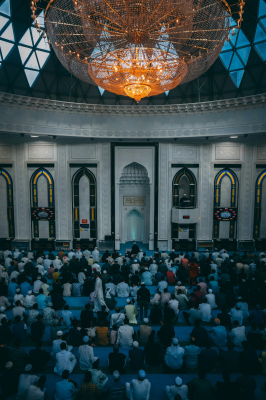
Photo by Wolfie's Eye on Unsplash
Fr Joseph Victor Edwin SJ, writes:
Dear Brothers and Sisters,
Muslim communities worldwide are celebrating the Feast of Sacrifice, known as Eid al-Adha, or Baqi-I Id. Each year, tens of thousands of Muslims undertake the Hajj, the pilgrimage to Mecca. This pilgrimage is one of the core pillars of their faith, alongside the profession of faith, prayer, fasting, and almsgiving.
Throughout the Hajj, pilgrims engage in various rituals, with one of the most significant being 'wuquf'-the act of standing before God seeking forgiveness for their sins.
At the conclusion of their pilgrimage, they perform a sacrifice in remembrance of Abraham, a great prophet and patriarch, and his sacrifice. Muslims around the world join the pilgrims in Mecca in spirit and prayer, offering a sacrifice and sharing the meat with friends, relatives, and those in need, celebrating with joy and warmth as they visit with one another.
Among the various rituals, the act of 'stoning of Satan' is an interesting one for Christian readers. After completing the 'wuquf', each pilgrim, on the return to Mecca, throws seven pebbles at a pillar that symbolizes the rejection of Satan. They proclaim, "In the name of Allah, Allah is Great," during this gesture.
In this letter, I invite our Christian readers to reflect on this ritual performed by the pilgrims and draw spiritual insights that may resonate with our Christian faith.
Maulana Wahiduddin Khan (d. 2021), a well-known Muslim scholar, explains the symbolic meaning of stoning. He writes: "it means that we must perform this act on a daily basis. You do symbolic stoning during Hajj. And you have to do real stoning in your own life."
Maulana Khan further explains this symbolic act as he writes: "The Islamic concept is that a human being has some weak points through which Satan makes an entry. These are a person's desires … For example, when a person provokes you, you get angry. This means that Satan has made an entry into you. If you get provoked and become angry, then Satan has made an entry into your mind. He will try to provoke you and make you angry. Satan will instigate you to take revenge and teach a lesson to the other person. Then you will start fighting. This is the situation in which you have to do stoning of Satan. You drive him away."
A Christian believer recalls the moment during the Easter Vigil when he/she renews their baptismal promises. This renewal goes beyond mere symbolism; it serves as a powerful remembrance of the sacrament of baptism, a rejuvenation of the grace bestowed upon the believer, and a conscious commitment to living out one's faith. The reality of spiritual combat is undeniable. St. Paul emphasizes this in his words: "Do you not know that all of us who were baptized into Christ Jesus were baptized into his death? We were buried therefore with Him by baptism into death, so that, just as Christ was raised from the dead by the glory of the Father, we too might walk in newness of life" (Romans 6:3-4). Embracing this new life requires a break from sin and a journey of ongoing conversion. The threefold declaration-"Do you renounce Satan? And all his works? And all his empty promises?"-is a powerful affirmation of our commitment to resist evil and the temptations of the world.
Continuing his reflection, Maulana Khan writes: "Whenever you feel that Satan has entered your mind, you must immediately say: My Lord, I seek refuge with You from the prompting of the devils. (Qur'an 23.97)."
Taking refuge in God is a cherished theme in the Holy Bible, reflecting a deep trust in His mercy, power, and protection. This concept is firmly anchored in the portrayal of God as a fortress, a shield, and a safe haven for those who seek Him.
The imagery of God as a refuge is vividly illustrated in the book of Psalms. The Psalmists convey their faith in God's safeguarding presence, stating, "God is our refuge and strength, an ever-present help in times of trouble" (Psalm 46:1). This verse beautifully captures the idea that God serves as both a sanctuary and a source of strength for His people Furthermore, the Psalmist emphasizes the assurance found in God's presence by proclaiming, "He who dwells in the shelter of the Most High will abide in the shadow of the Almighty" (Psalm 91:1). Biblical scholars note that this passage underscores the close relationship between believers and God, where taking refuge in Him is akin to finding safety in His protective embrace.
As our Muslim brothers and sisters celebrate the Feast of Sacrifice, it provides an opportunity for both Christians and Muslims to come together and reflect on how our faiths encourage us to believe in and trust in One God and to reject evil firmly. This shared devotion inspires us to serve Him and pursue goodness toward all.
Yours Sincerely
Joseph Victor Edwin SJ
Secretary
Islamic Studies Association, Delhi
 Facebook
 Twitter
 LinkedIn
 Print
Print Email
Email









 Facebook
 Twitter
 YouTube
 LinkedIn
 Pinterest