

Land rights and mining: WCC, CWM demand reform in Africa
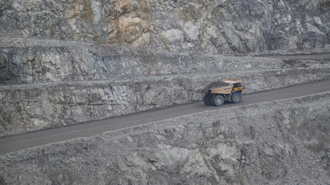
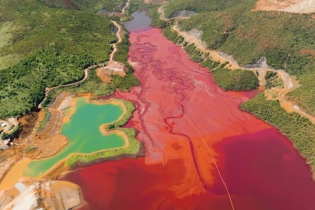
Photo: Sean Hawkey/Life on Earth Pictures
The World Council of Churches (WCC) and the Council for World Mission (CWM), through a joint communique, demanded fundamental reform of how extractive industries operate across Africa, following a five-day consultation in Gaborone, Botswana. Church leaders, theologians, Indigenous leaders, and community representatives gathered from 21-25 April for the Africa Consultation on Mining, Land, and Justice.
"Where mining scars the land, dries the water, and displaces the people, the churches must speak for justice, stewardship, and the healing of creation," said Dinesh Suna, WCC programme executive for Land, Water, and Food.
The communique opens with Psalm 24:1 - "the earth is the Lord's and all that is in it" - to frame land, water, and ecosystems as sacred trusts, not economic inputs. Development decisions, it insists, must begin with the dignity of those who live on the land, not the value of what lies beneath it.
The consultation's keynote was delivered by Rev Dr Rupert Hambira, member of the WCC central committee, who called on participants to move the church from prophetic statement to prophetic action. Prof Pedro Arrojo-Agudo, UN special rapporteur on the human rights to safe drinking water and sanitation, argued that mining's damage to water systems demands equitable governance and international accountability.
"African landscapes and ecosystems often function primarily as sites of resource extraction, while local communities bear the social and ecological costs of development. Therefore, faith communities, especially churches across Africa, carry both a historical responsibility and a prophetic calling to confront systems that perpetuate ecological destruction and social injustice," said Rev Daimon Mkandawire, CWM mission secretary for ecology and economy, and Africa region.
The communique calls on governments to ground agrarian reform in redistribution, recognition, restitution, and regulation. Mining companies face calls for binding environmental standards and genuine post-closure rehabilitation. Both organisations will carry this work forward within the WCC Ecumenical Decade of Climate Justice Action.
LINKS
WCC Ecumenical Decade of Climate Justice Action
the framework within which this consultation sits through its programme on Land, Water and Food advocacy.
 Facebook
 Twitter
 LinkedIn
 Print
Print Email
Email















 Facebook
 Twitter
 YouTube
 LinkedIn
 Pinterest