


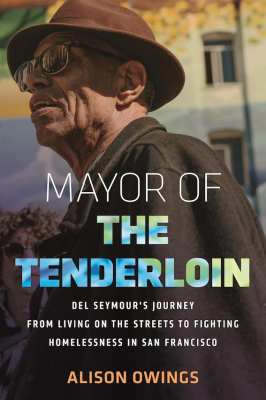
Mayor of the Tenderloin
Anyone attending a church in the UK knows that in almost every community, the clergy and volunteers are confronted by the enormous unmet needs of homeless people. Some churches keep their doors open all winter, offering a safe, heated space for people to sleep during the day. Others provide food or vouchers, referring "the unhoused" to the relevant council services or charities. A few provide practical resources such as showers to assist people trying to find a job.
Ever since care was shifted out of institutions and "into the community" in the 1980s, we have struggled to deal with growing numbers of homeless people, and especially those with mental health problems and addiction. It is not an exclusively British problem.
Mayor of the Tenderloin tells the story of Del Seymour, a former addict, Vietnam veteran, pimp and incarcerated felon in San Francisco. Del's journey from successful African America entrepreneur to crack addiction and sleeping in doorways, is distressing because so much of his downfall is from the poor choices he makes along the way. His story is told by the oral historian Alison Owings who has previously examined subjects such as the experiences of women in Nazi Germany (Frauen, highly recommended).
By looking at Del's life in detail, Owings reveals the factors drawing people into homelessness and addiction, and the failings of the various agencies, initiatives and charities trying to help them. It also digs into the painful and frightening reality of everyday life on the streets, sleeping in doorways or shelters.
Those trying to help the homeless point to a one-word reason why many people end up sleeping rough: trauma, usually from a childhood experience or circumstance. It is thought 20% are homeless because of addiction, 30% due to mental health problems, and the rest because of financial issues. A recurring theme is the poor choices people make, such as buying a fashionable pair of running shoes rather than paying the rent, and continually seeking solace and escape in addictive drug use.
However grim the issues covered in Mayor of the Tenderloin, it is also inspiring because of Del's trajectory. He now organizes several projects that offer hope, giving practical support to people trying to get on the path to a normal life. None of it is rocket science.
Nor does Del promote easy solutions such as "housing first," which supposes that people's problems would solve themselves if they had their own home, however humble. No, says Del: their addiction will get worse if they can shoot up in private. The underlying problems must be solved before they try to manage paying the rent or holding down a job.
One of Del's initiatives is Code Tenderloin, training people to do computer coding. In the Bay area, where many of the world's corporate tech giants are based, this is a realistic option. Del works hard to encourage those tech giants to employ people who have been homeless, urging them to be part of their community rather than shutting themselves away on elaborate campuses.
Del also leads walking tours of the Tenderloin district of downtown San Francisco, where many homeless people congregate. Local churches play an essential role in offering practical help and spiritual hope. It is a reflection on our society and our political situation, both in the USA and the UK, that this burden has been shifted onto churches and volunteer groups.
Mayor of the Tenderloin by Alison Owings, is published by Beacon Press.
 Facebook
 Twitter
 LinkedIn
 Print
Print Email
Email


















 Facebook
 Twitter
 YouTube
 LinkedIn
 Pinterest