

Northern Ireland: Archbishop comments on apology to survivors of historic institutional abuse
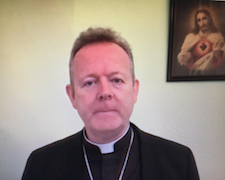
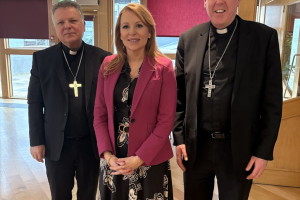
Archbishop Martin - screenshot
The Northern Ireland government issued a formal apology on Friday to people who had been abused in state, church and charity run orphanages and children's homes. Ministers from all five political parties in the Northern Ireland Assembly read apologies to survivors gathered in the Stormont government building. Representatives of the six institutions where abuse was reported also apologised.
Education Minister Michelle McIlveen, from the Democratic Unionist Party said: "We neglected you, rejected you, we made you feel unwanted. It was not your fault. The state let you down."
These formal apologies came more than five years after they were recommended by the Historical Institutional Abuse Inquiry. The inquiry uncovered shocking levels of physical, sexual and mental abuse at institutions run by the state, churches and charities between 1922, when Northern Ireland was founded as a state, and 1995.
Archbishop Eamon Martin said in a statement on Friday: "Today is a day that belongs to survivors. It is also an opportunity for everyone, in Church and society, to express our sincere admiration for all survivors of institutional abuse who have uncovered the enormity of harshness and brutality that they experienced. The courage, perseverance and determination of survivors has helped bring to light the truth about what happened in the past and ensure that lessons are learned so that these awful things are prevented from happening again.
On behalf of the Catholic Church in Ireland, I repeat today my unreserved apology to all those who suffered from their horrific experience in Church-run institutions, and to their loved ones. Today is a day of mixed emotions for them. Their reactions to today's apologies must be heard and respected. Words are not enough and will never undo the harm that has been caused.
As a Church leader, I am truly sorry that such abuse occurred in Catholic institutions which often failed to show the face of Christ to children and young people who were much in need of love and care. Jesus had a particular care for little children, for the poor, and for those who were on the margins of society. Jesus asked His followers to reach out in tenderness and mercy, especially to those who were vulnerable and who felt rejected. Looking back, there is no doubt that many in positions of leadership within the Church did not live up to the Gospel message by their failure to intervene, or to prevent the circumstances which led to physical, sexual and emotional abuse of the "little ones", so beloved of Christ. The misuse of power and status within the Church; the prevailing culture of judgement, guilt and shame surrounding sexuality; and, a lack of Christian empathy and compassion towards the poor and those less fortunate, blinded many in the Church to the shocking neglect, sins and crimes being perpetrated in their midst. Shame on us.
It is totally understandable that those abused may find it hard to forgive or be reconciled with the Church. That is why we must do everything we can to demonstrate that we are serious about making reparation for the sins and crimes of the past. We must also continue to implement best practice in safeguarding of children and others at risk of harm today. All of us, in positions of leadership within Catholic dioceses and religious congregations, must continue to engage in a constructive manner to ensure that the findings and recommendations of Sir Anthony Hart's Report will not be forgotten, and that survivors of abuse will continue to be supported into the future.
 Facebook
 Twitter
 LinkedIn
 Print
Print Email
Email














 Facebook
 Twitter
 YouTube
 LinkedIn
 Pinterest