


Typhoon Bopha hits Philippines
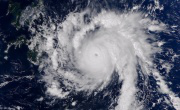
Typhoon Bopha – known locally as Typhoon Pablo – has hit Mindanao Island in the Philippines, bringing heavy rain and strong winds. CAFOD's emergency team is working with local partner Ecoweb to assess the damage. Early reports from the ground suggest that the typhoon has caused less destruction than Typhoon Washi last year, but an estimated 50,000 people have been forced to evacuate their homes and at least six have been confirmed dead. We have also received reports of waist-high flooding in riverside communities.
Last year, Typhoon Washi caused devastation in the west of Mindanao, killing hundreds of people and leaving tens of thousands homeless. Much of the damage was caused by logs that were washed down Iligan River, which destroyed riverside villages and caused widespread damage in Iligan City. This year, the eye of the typhoon turned north-east before it hit Iligan, but the full extent of the damage is not yet clear.
Thanks in part to the work of Ecoweb, the government and many local communities seem to have been better prepared for Typhoon Bopha than they were last year.
Dr Kate Crowley, who leads CAFOD's Disaster Risk Reduction work, said: “Over the last few months, Ecoweb has worked with local government authorities to improve the way they prepare for natural disasters. For example, they’ve supported the government in setting up an emergency response unit that helps people get to safe areas when disaster strikes.
“They’ve also carried out three dimensional hazard mapping – building models of the region in order to identify the most vulnerable communities, and then implementing plans to reduce the risks. Simple things can make a big difference, like training people to farm in a way that makes landslides less likely.
“But although better early warning systems are in place, typhoons like this one can still cause immense damage. Thousands of people who lost their homes in Typhoon Washi are still living in tents and temporary shelters, and we’re particularly worried about the impact the typhoon may have had on them. Our staff and partners are on the ground and ready to respond if needed.”
Source: CAFOD
 Facebook
 Twitter
 LinkedIn
 Print
Print Email
Email













 Facebook
 Twitter
 YouTube
 LinkedIn
 Pinterest