

Philippines: Columbans lament murder of indigenous leader and son
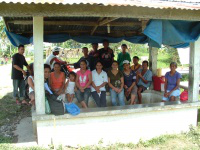
Subaanen people in Midsalip parish
The gruesome murders last week of a Subaanen tribal leader and his son on the Zamboanga Peninsula of the Philippines has alarmed Columban missionaries who know this area of Mindanao well. Timuay Barlie Balives and his son Gerry were killed on 4 July at their home in Duelic, a remote rural area four miles from the town of Midsalip. Both were horribly mutilated in what appears to be a ritualistic killing reminiscent of the 1980s, when fanatical groups roamed and controlled areas of Mindanao and terrorized the local population.
"These killings have shocked local people and Columban priests and sisters who work with the Subaanen have noticed a slide towards the rule of law being abandoned in the countryside" says London-based Fr Frank Nally, who once worked in Midsalip parish. "There is no security or rule of law now as their lives are ruined by outsiders who are after the minerals, iron-ore and gold on their land," he added.
The majority of the poor in Mindanao, and especially the Subaanen indigenous people of Midsalip, live in constant fear of being brutally killed. Fanatics are trained to instill an atmosphere of fear into their lives and they are often faced with eviction or evacuation because of the violence that is fundamental to land grabbing for "development", whether that is for large scale plantations of rubber trees, jatropha plantations for bio-fuels or mining tenements. Despite the intimidation, four members of the Tumanuk Pusaka Subaanen dig Midsalip (Tupusumi) indigenous organization ensured that the police in Midsalip recorded the killings before attending the burials of their vice-president Timuay Barlie and Gerry Balives. Nobody has been prosecuted or imprisoned for human rights crimes against the Subaanen in recent years, even when the perpetrators have been identified.
Armed militia groups were a component of the Marcos government's "total war" counterinsurgency campaign in the 1980s within the aegis of the "low intensity conflict" doctrine of the U.S. government. They and fanatical cults organised by the Philippine military are being resurrected again, especially in Mindanao, to defend and secure mining tenements for companies. The indigenous Subaanen and other poor people who earn their living farming and fishing - whilst being good citizens, paying taxes and voting - have no security or protection provided for them.
Timuay Barlie Balives was a signatory to the Writ of Kalikasan (nature) that was issued by the Supreme Court of the Philippines in August 2011. The Writ promises to give protection to watersheds and rich biodiversity areas in the highlands of the Zamboanga Peninsula. It gives hope to the Subaanen of Midsalip that their sacred places, their mountains and tropical forest will at long last be protected by the highest court in the land. Only corruption and violence will block their constitutional right to a healthy environment.
The Columbans have condemned the Subaanen murders and human rights violations in the Midsalip area. They ask that the killers be brought to justice by the authorities. As members of the UK-based Working Group on mining in the Philippines, Columbans in the UK too lament the negative impact that extractive industries are having on indigenous peoples' culture, lands and resources. It is clear that the escalation of violence by government and private security forces, especially against indigenous leaders and environmentalists, is a consequence of the aggressive promotion of extractive operations in indigenous territories.
See: www.columbans.co.uk/what-we-do/mission-in-britain/justice-peace-jpic/campaigns/mining/
 Facebook
 Twitter
 LinkedIn
 Print
Print Email
Email











 Facebook
 Twitter
 YouTube
 LinkedIn
 Pinterest